

Suffolk Caravans Case Study
How research, useful content and careful implementation turned a previously invisible local business into a growing online resource
No website, no social media and no established source of online enquiries.
This project began with understanding a highly trusted local business, then translating its knowledge into a connected website, useful content and search visibility. The result was not simply a better presentation, but a new route to customers and sales.
Suffolk Caravans is a family business near Ipswich offering secure caravan and motorhome storage, caravan sales and container storage. Before this project, it relied largely on its existing reputation and people already knowing the business was there.
I built its first website in July 2026, created a researched library of caravan guides and connected the content to its services and Google Business Profile. The website began producing enquiries and sales during its second week and generated 15 enquiries in its first month.
The project at a glance
Client: Suffolk Caravans
Location: Waldringfield, near Ipswich
Sector: Caravan storage, sales and related services
Starting point: No website or online presence
The project included:
- Business, customer and search research
- On-site visits and detailed discussions
- Website planning, design and copywriting
- Search-optimised service and sales pages
- Researched caravan guides with internal linking
- Google Business Profile content
- Structured data and consistent business information
- Google Analytics and Search Console setup
- Sitemap submission and indexing checks
- A repeatable system for publishing sales listings
- Practical recommendations beyond the website
Early Results
- Enquiries and sales from the second week
- 15 enquiries during the first month
- 7 sales during first month
Early Google search positions recorded in September 2026 included:
- Positions 1, 2 & 5 for relevant CaSSOA storage searches around Ipswich and Suffolk
- Positions 1 & 3 for “caravan storage near Ipswich”
- Position 1 & 3 for “secure caravan storage Suffolk”
- Position 3 for "used caravan sales near Ipswich"
- Position 1 for "touring caravan hire Ipswich or Suffolk"
The results can be supported by Google Analytics traffic data, Search Console impressions and clicks, enquiry records and the client's confirmation of resulting customers or sales.
Search positions vary by location, device and time, so published ranking evidence should always be dated.
Understanding the Business Properly
Initial conversations suggested Suffolk Caravans offered servicing, repairs and valeting alongside storage and sales. Visiting the premises revealed that these were independent specialists operating from the same site. They had been selected personally because of their experience and reputation, but were not run directly by Suffolk Caravans.
That distinction shaped how the services were presented. The website could emphasise the convenience of trusted specialists being available in one location without inaccurately implying that Suffolk Caravans provided every service.
This is why I prefer to visit a business whenever practical. A written brief can provide the basic facts; seeing the operation and speaking to the people involved often reveals how it should truly be represented.
Turning Customer Questions into a Content Strategy
Customers frequently contacted Suffolk Caravans with general questions about owning, using and looking after a caravan. Even when a subject fell outside its direct services, they still regarded the business as a trusted source of advice.
This changed the original plan. Instead of publishing only information about the company's services, I developed a broader library answering genuine questions from caravan and motorhome owners.
Topics included:
- Caravan security and theft prevention
- Caravan towing laws and safety
- A beginner's guide to towing
- Caravan Tyres: Age, Pressure and Replacement
- Caravanning Checklist
- Touring Caravan Insurance Guide
- First-Time Caravan and Motorhome Buyer’s Guide
- Secure caravan storage
- Container storage
These were not short posts created simply to keep a blog active. Each guide was researched, fact-checked and supported by authoritative sources where appropriate. Suffolk Caravans can now direct customers to a detailed resource, while the same article continues helping other people after publication.
Importantly: This expanding library also strengthened the website’s topical relevance and demonstrated to Google that Suffolk Caravans offers substantial, useful information across its specialist subject areas. As the guides were published and connected through relevant internal links, I saw direct improvements in the website’s search visibility, with more pages appearing for a wider range of caravan-related searches.
Building a Connected Website
The website was structured around the different reasons people might visit: finding secure storage, buying or selling a caravan, investigating an on-site service or looking for reliable advice.
Search optimisation was incorporated into the page structure, titles, copy, metadata, internal links and technical setup from the beginning. It was not added after the website had been completed.
The guides also linked naturally to relevant commercial pages and related information. A security article can lead to secure storage, while a damp guide can explain the value of professional inspections without becoming a sales pitch.
This created additional pathways into and through the website. Someone might first discover Suffolk Caravans while searching for an answer, receive useful information and then explore its services or caravans for sale.
Extending the Content Through Google Business Profile
I created Google Business Profile (GBP) posts based mainly on topics covered in the guides. Each post provided useful information in its own right before directing interested readers to the complete article.
This created a joined-up process:
- Identify a genuine customer question or search opportunity.
- Research and write a useful guide.
- Connect it to relevant services and supporting information.
- Introduce the subject through GBP.
- Monitor discovery and engagement.
- Improve or expand the content when evidence identifies an opportunity.
As Google’s own platform, GBP reinforced the business’s location, services and relevance alongside the website—although posting alone does not directly improve organic rankings.
The website, content library and Google Business Profile therefore reinforced one another rather than operating as separate marketing activities
Reflecting the Owner's Pride
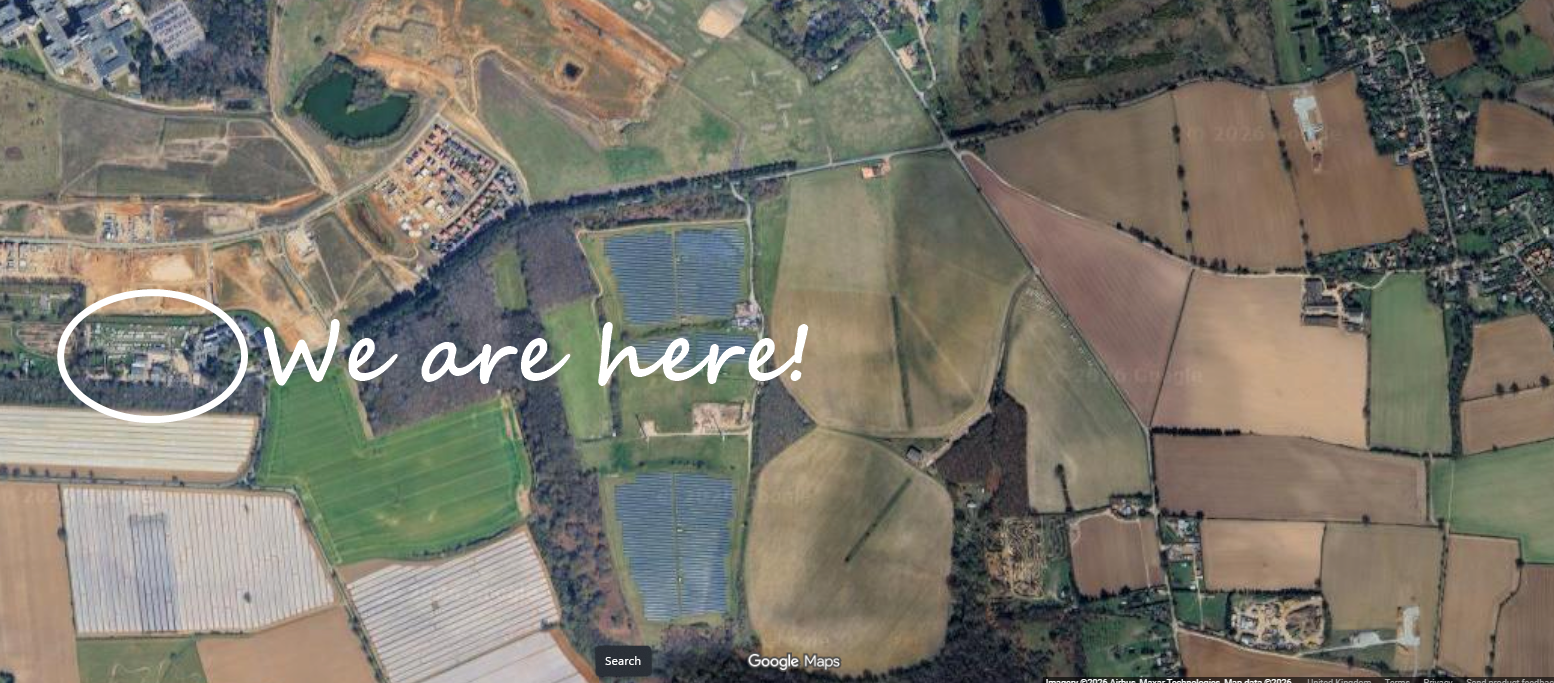
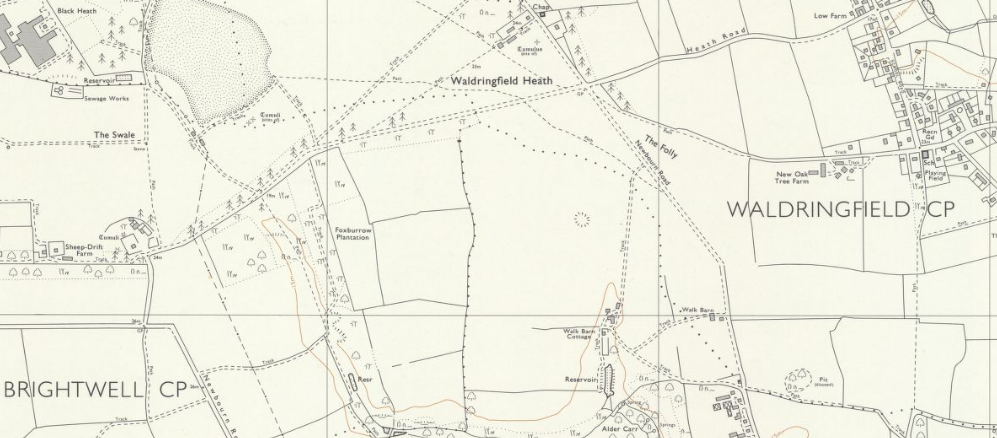
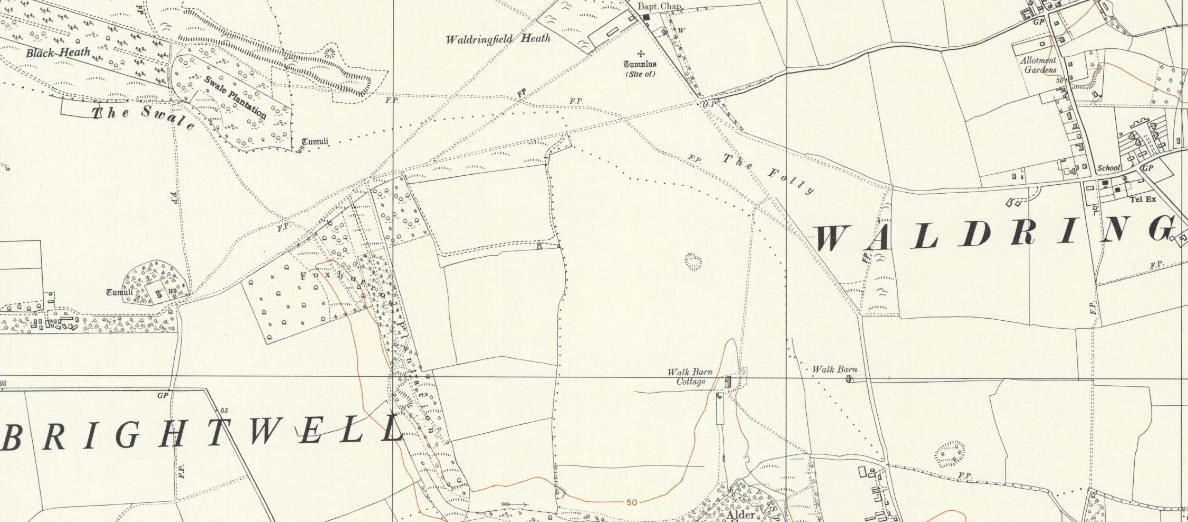
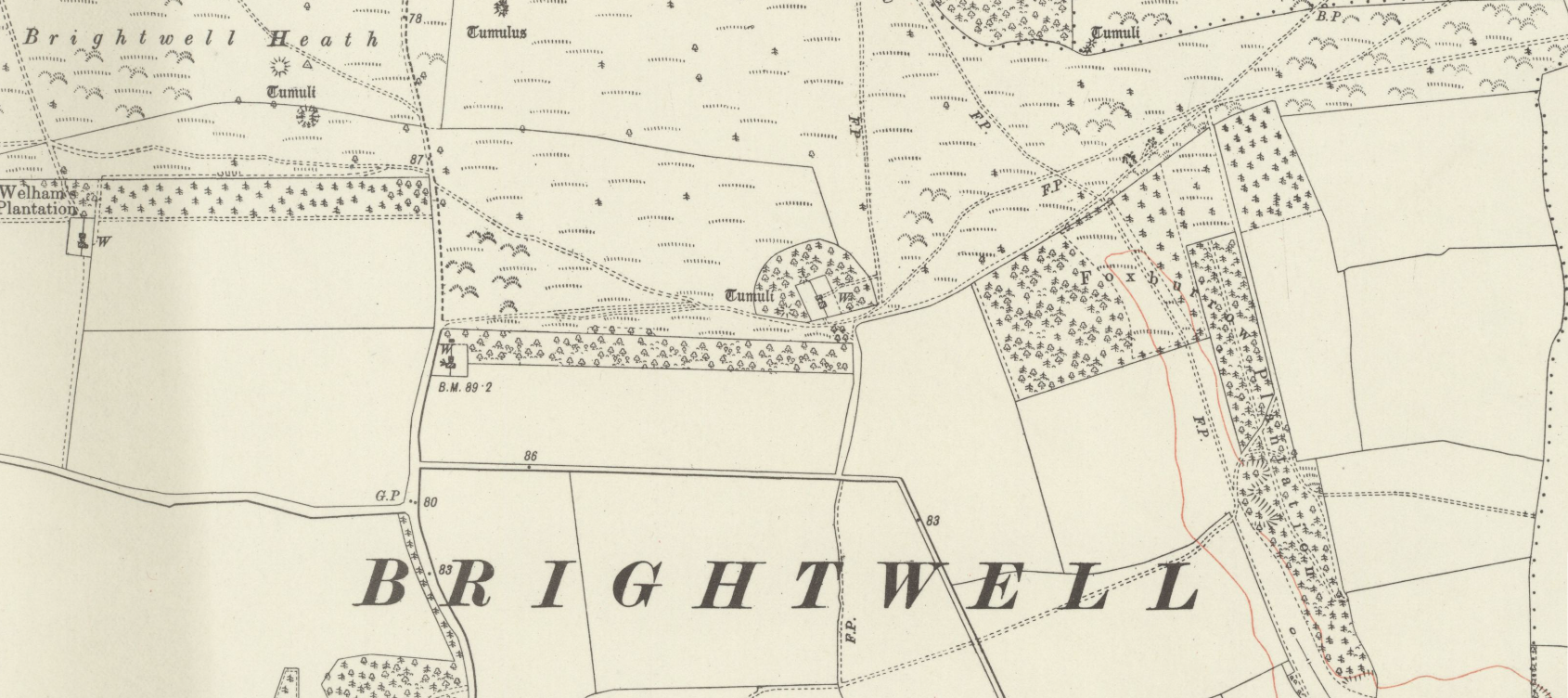
The owner's connection to the land and history shaped the About page. I sourced three historic maps of the area, aligned them to the same geographical position and carefully resized and cropped them.
Placed in a rotating sequence, they create the impression of looking at the same location and travelling backwards through time.
Some visitors may not consciously notice the work involved, but the feature makes the website personal to Suffolk Caravans. It was important that the site should perform well while also feeling recognisable and meaningful to the people whose business it represents.
website-seo.co.uk best website and SEO expert near Ipswich in Suffolk
different way to boost seo performance and google rankings for a web designer and seo specialist near Ipswich in Suffolk.
website-seo.co.uk best website and SEO expert near Ipswich in Suffolk
different way to boost seo performance and google rankings for a web designer and seo specialist near Ipswich in Suffolk.
Helping Google Discover a New Website
With no indexed pages, search history or established visibility, I monitored Google Search Console closely during and after launch.
I submitted the XML sitemap and requested indexing for every public-facing page—not only the priority URLs. Each new page was submitted as it was published, then checked to confirm that Google had discovered and indexed it.
As a result, every public page was indexed within 24 hours. Close monitoring also highlighted any potential indexing problems so they could be investigated and resolved immediately.
Indexing requests cannot guarantee rankings or inclusion in Google’s results, but this process dramatically shortened the time taken for the new website and its content to become visible in search.
How the Articles Supported Wider Visibility
Individual articles attracted modest early traffic. However, as more guides were published and indexed, Google Analytics and Search Console showed increasing visibility and clicks across the wider website.
The articles expanded the range of relevant subjects covered by the site, created meaningful internal connections and made its subject coverage and relationships clearer to search engines.
It would be wrong to attribute every improvement to one activity, especially on a new website. Nevertheless, the timing and performance data supported the wider strategy. An article can add value before attracting substantial traffic itself by increasing topical depth, supporting commercial pages and creating additional search opportunities.
This is why an article should not be judged solely by its individual page views.
A Substantial but Worthwhile Investment
The project required a considerable investment of time: understanding the business, researching unfamiliar subjects, checking facts, writing and editing, preparing images, adding metadata and internal links, formatting pages, producing GBP posts and monitoring technical implementation and indexing.
This could not have been completed properly in a few hours, but the results justified the investment. Enquiries and sales began during the second week, while each guide became a lasting resource capable of answering questions, attracting visitors and supporting relevant services long after publication.
That is the fundamental difference: a larger initial investment did not simply buy a short burst of attention. It produced immediate returns, created resources that continue supporting enquiries and established a foundation whose search visibility and authority will grow over time.
Looking Beyond the Website
Visiting the premises revealed an opportunity outside the original brief. There was no prominent signage at the entrance, so people driving past could easily remain unaware that Suffolk Caravans was there. This was particularly noticeable because a nearby competitor had large, highly visible signage.
I recommended improved entrance signage to increase awareness, make the premises easier to find and reinforce the business name among regular users of the road increasing brand awareness.
The recommendation supported the same objective as the website: helping more of the right people discover the business. Online visibility should be supported by practical opportunities offline when relevant.
Giving the Client Control Without Compromising Quality
When Suffolk Caravans asked to add its own sales listings, I configured restricted website access so staff could manage this section without altering the wider site.
I then created two detailed step-by-step guides: one explaining how to prepare the text and images, and another covering how to upload, format and publish each vehicle in Duda. The instructions included consistent titles, descriptions, features, image ratios, filenames, metadata and search optimisation.
This gave the client greater day-to-day control while protecting the professional appearance, structure and SEO standards established across the website. I also remained available to prepare and publish listings when required.
Refining Without Constantly Changing
A website can be difficult for a client to imagine fully while it exists as a plan or collection of unfinished pages. Once it becomes a working site, the client will often notice small details to change or information to add.
I therefore allow a period for the client to explore the website, share it with relevant team members and suggest reasonable refinements. This can uncover useful information and helps ensure the finished site represents the business accurately.
There must eventually be a line between useful refinement and continual alteration. Repeated changes based only on personal preference can weaken a structure created around customer needs, usability, search visibility and commercial objectives.
If the website is working, let it work. Monitor the evidence and make further changes for a clear reason.
I continue monitoring Google Analytics, Search Console, enquiries and client feedback. The aim is not constant change, but perpetual improvement based on purpose, evidence and genuine customer need.
Building Trust Through Genuine Customer Reviews
Starting without online reviews placed Suffolk Caravans behind competitors with an established online presence. I helped the client invite existing customers to share honest feedback, either directly with the business or through Google.
Following Google’s review guidelines, customers were asked neutrally, without incentives, pressure or requests for a particular rating. I then made the process easier by adding clear links on relevant website pages, supported by suitable wording and a QR code leading directly to Google reviews.
Importantly, the website also includes a prominent thank-you to everyone who has already taken the time to leave a review, recognising their support while encouraging further genuine feedback.
What This Project Demonstrates
This project required more than designing an attractive website. It involved understanding how the business really operated, correcting initial assumptions, recognising what mattered to the owner, researching unfamiliar subjects and connecting useful information with commercial services.
It also involved technical implementation, performance monitoring, improving the client's publishing process and identifying an advertising opportunity outside the original brief.
The approach:
Understand the business → identify customer needs → build the right structure → create useful content → connect it to services → measure and improve
That is the approach I bring to website, SEO and wider online-presence projects.
Update... Strong Results Continued in Month Two
The website continued to build visibility and attract potential customers during its second month:
- 413 individual users
- 671 website visits
- Approximately 1,300 page views
- 1 minute 40 seconds average engagement time
- 370 clicks from Google Search
- 6,380 Google Search impressions
- 5.8% search click-through rate
- 28 recorded contact actions through telephone, email, website forms and chat
The 28 contact actions were equivalent to 4.2% of all website visits.
These results demonstrated that the strong first month was not simply a short-lived launch increase, the website was continuing to attract, engage and encourage action from potential customers.
Could Your Business Benefit From This Approach?
Many established businesses have considerable knowledge, experience and personality that remain largely invisible online.
I can help uncover what makes your business valuable, identify what prospective customers need to know and turn that knowledge into a connected online presence that supports your commercial objectives.
If your current website does not properly represent what your business knows or does, let's have an informal conversation.
Call: 07788 423 707
Email: specialistwebsiteseo@gmail.com
LinkedIn: David Lowe
LinkedIn: Associated article