

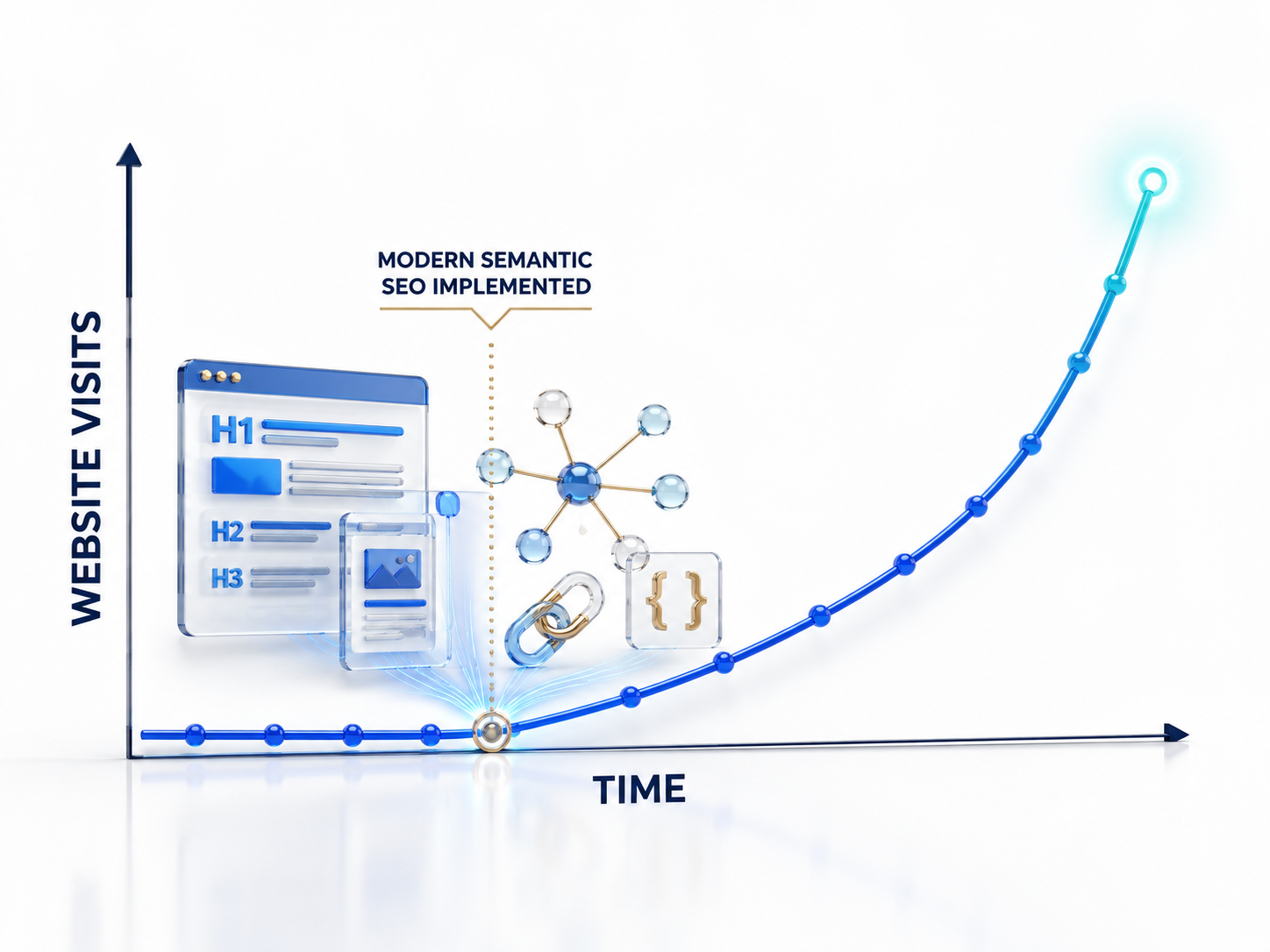

Search Engine Optimisation and Google Visibility - SEO Services in Suffolk
Introduction To SEO
Professional content and technical SEO planned together, so every important page has a clear purpose and the strongest opportunity to be found.
A website does not become properly optimised because somebody adds a few keywords, completes the boxes in an SEO plugin or installs generic schema markup.
Modern search engine optimisation begins with understanding the business, its customers and the purpose of each page. The content, headings, page title, images, links, structured data and technical settings must then work together to provide a clear and useful result.
I bring business research, professional writing, website structure and technical SEO together. This enables me to create complete websites, improve important pages on existing websites and write authoritative blog articles that are prepared properly for both customers and search systems.
Based in Hadleigh, near Ipswich in Suffolk, I work mainly with established small businesses, skilled tradespeople and specialist suppliers whose real expertise is not yet represented strongly enough online.
Discuss your website and SEO
SEO is no longer a separate finishing task
Older approaches to SEO often concentrated on repeating particular phrases, adding keywords after a page had been written or building large numbers of weak pages around slightly different searches.
That is not how I approach the work.
Effective modern SEO is planned into the page from the beginning. It considers:
- what the customer is actually looking for;
- which page should provide the answer;
- what information that page needs to contain;
- how the content should be organised;
- how it connects with related pages;
- what search systems need in order to access and interpret it;
- and what should happen after the visitor arrives.
Google’s own Search Essentials emphasise helpful, reliable content, descriptive wording, crawlable links and the correct use of page elements such as titles, headings, alternative text and structured data.
The result should not feel as though SEO has been added to the page. It should feel like a clear, authoritative and professionally produced explanation of the business, service, product or subject.
How modern webpage SEO works
Every important webpage needs a defined role. A homepage, service page, product page, location page and advice article should not all be written in the same way.
I plan and optimise each page through the following connected stages.
Business, customer and search research
I first establish what the business provides, who needs it, which services or products matter most, where the business operates and why customers choose it.
I then research how those needs are expressed in search. This includes the language customers use, the questions surrounding the subject and the type of result they are expecting to find.
This is more useful than beginning with a list of isolated keywords. It reveals the search intent behind the wording: whether somebody wants an explanation, a comparison, a local provider, a particular product or a business they can contact.
The right page for the right purpose
One vague services page cannot properly cover everything a business does. Equally, creating dozens of nearly identical pages does not make a website more useful.
I decide which subjects need their own page and which should remain together. Each important page receives a clear purpose, while related pages are connected into a logical structure.
This helps prevent important subjects from being buried and reduces the risk of several pages competing with one another for the same search.
Professionally written and structured content
The content is written for potential customers first. It must answer their questions, explain the value of the service and give them sufficient confidence to take the next step.
At the same time, the page is structured so that its meaning is clear to search systems. This includes:
- one clear main heading;
- useful H2 and H3 subheadings;
- an introduction that establishes the subject quickly;
- complete, accurate and well-organised information;
- natural use of the language customers understand and search with;
- descriptive internal links;
- supporting evidence, examples and first-hand knowledge;
- and an appropriate call to action.
This is sometimes described as semantic SEO. It is not about adding as many related expressions as possible. It means explaining the subject fully and coherently, including the services, products, people, places, questions and relationships that give it meaning.
Page titles, descriptions, images and links
The visible wording is only part of the page.
I also prepare or improve the information that helps people and search systems understand it, including:
- the page URL;
- HTML page title;
- meta description;
- image selection and positioning;
- descriptive image filenames;
- meaningful alternative text;
- internal links and their clickable wording;
- and clear links to the next relevant page.
These details are not treated as disconnected boxes to complete. They must accurately reflect the page and support its purpose.
Appropriate page-specific schema markup
Structured data, often called schema markup, provides machine-readable information about what a page represents.
I create relevant JSON-LD for the individual page rather than relying entirely on generic site-wide markup. Depending on the visible content, this may describe and connect the business, service, product, article, breadcrumbs, people or places involved.
The markup must be accurate and supported by the page. It should never invent reviews, locations, relationships or claims.
Schema can help search systems interpret information and can make a page eligible for certain enhanced search features. It is not a ranking switch and does not guarantee a rich result, as Google’s structured data guidelines make clear.
Technical access and indexing
A well-written page cannot perform properly if search engines are prevented from accessing or processing it.
Depending on the website, I check or configure:
- indexability and robots directives;
- canonical URLs;
- redirects and broken links;
- mobile content and presentation;
- secure HTTPS delivery;
- crawlable internal links;
- XML sitemaps;
- image sizes and loading performance;
- duplicate or overlapping content;
- Google Search Console;
- and Bing Webmaster Tools.
After publication, priority pages can be inspected and monitored through Google Search Console. This helps establish whether Google has discovered and indexed the page and whether any technical issue is preventing it from being processed correctly.
Google explains the broad stages as crawling, indexing and serving search results in its guide to how Google Search works.
Optimising core webpages and blog articles
The same quality standards apply across the website, but different types of content perform different jobs.
Core website pages
Homepage, service, product and appropriate location pages explain what the business offers and help customers decide whether it is suitable.
These pages need commercial clarity. They should state what is provided, who it is for, where it is available, why the business is worth choosing and what the visitor can do next.
Their SEO should support that purpose rather than overwhelm the page with repetitive wording.
Optimised blog articles
Articles answer the genuine questions surrounding the services or products. They can reach people earlier in their research, demonstrate the knowledge within the business and provide useful internal links to the relevant commercial page.
I do not write articles simply to keep a blog active or reach an arbitrary word count. Each article needs a worthwhile subject, reliable information and a clear relationship with the rest of the website.
An optimised article can be supplied with:
- a research-led subject and title;
- a properly organised heading structure;
- authoritative written content;
- a suggested URL;
- page title and meta description;
- internal-link recommendations;
- image guidance and alternative text;
- and appropriate article schema markup.
Read How Helpful Blog Articles Build Trust, Authority and Search Visibility for a fuller explanation of their role.
Why specialist SEO expertise matters
Website platforms make it possible for almost anyone to assemble an attractive-looking website. They do not automatically determine what the business needs to say, how its information should be divided between pages or why one page should appear for a particular search.
SEO plugins and automated audits can identify certain missing fields or technical issues. They cannot understand the business, interview its owners, verify specialist information, recognise what customers genuinely need or turn that knowledge into persuasive and authoritative content.
My work combines several disciplines that are often treated as separate jobs:
- understanding the business and its market;
- researching customers and search intent;
- planning the website and page relationships;
- professional copywriting;
- on-page and semantic SEO;
- technical crawl and indexing knowledge;
- page-specific structured data;
- internal linking;
- and measurement after publication.
That combination is what distinguishes this service from simply designing a website and filling in its SEO settings afterwards.
How I can apply this work to your website
Complete website and online presence
I can plan and create the complete website, including its structure, design, written content, imagery, technical SEO and page-specific schema.
Where useful, the work can also include supporting articles, Google Business Profile content, LinkedIn or social posts and guidance on relevant directories. This creates a more consistent online presence in which each element supports the others.
Improvements for an existing website
If you have built your own website or want to retain your existing platform, I can improve its important pages without taking control of it or recommending an unnecessary rebuild.
I review the content and supply the improved copy, headings, page titles, meta descriptions, image filenames, alternative text, internal-link recommendations, calls to action and appropriate schema markup for you or your existing website provider to implement.
Individual optimised articles
I can research and write one article or develop a connected group of subjects around the services and products that matter to the business.
You do not need to prepare a formal brief. A few notes, important facts, names, dates and common customer questions are normally enough for me to begin the research and identify anything else required.
SEO continues beyond the individual page
A strong page needs to belong to a coherent website. Internal links should connect it with related services, products, articles, evidence and contact information.
For a local business, the wider online presence may also include Google Business Profile, Bing Places, appropriate directories, customer reviews, LinkedIn and selected social platforms. Business names, contact details, services, opening hours and website links should be accurate wherever they appear.
The website remains the central source of detailed information the business controls. Supporting platforms can introduce the business, reinforce its credibility and direct people to the most relevant page.
Your Website as the Hub of Your Online Presence explains how these elements work together.
Modern SEO and AI-assisted search
AI Overviews, AI Mode and other AI-assisted search experiences do not create a need for mysterious new files, secret schema or a completely separate form of optimisation.
Google states that its established SEO practices remain relevant and that there are no additional technical requirements for its AI search features. Pages must still be accessible, indexable, useful and eligible to appear in Search. See Google’s guidance on AI features and your website.
Clear writing, accurate information, original business knowledge, descriptive headings, useful links and a trustworthy online presence remain the strongest foundation.
Measurement rather than guesswork
Search visibility should not be judged by repeatedly checking one phrase on one computer.
Google Search Console can show the searches producing impressions and clicks, the pages being found, changes in average position and indexing information. Google Analytics can show what visitors do after reaching the website and whether enquiries, telephone clicks and email clicks are being recorded.
This evidence helps identify what is working, which pages need improvement and whether the website is attracting useful enquiries rather than traffic with little commercial value.
Responsible SEO without unrealistic promises
No website designer or SEO specialist controls Google’s index or ranking systems. Results vary according to the search, location, competition, website history and the quality of the available alternatives.
I therefore do not guarantee a number-one position, promise instant results or describe schema markup as a shortcut to the top.
What I provide is careful research, professional content, sound technical implementation and clear measurement. The objective is to give each important page the strongest reasonable foundation, help suitable customers find the business and communicate why it is worth contacting.
Frequently asked questions
Can you optimise a website you did not build?
Yes. I can review its important pages and supply improved content and SEO information for you or your existing provider to add. If the platform creates a significant technical limitation, I will explain it clearly.
Is SEO just about Google?
Google is the dominant search engine for most UK businesses, but sound website structure, clear content and technical accessibility also support visibility through Bing and other search or AI-assisted systems.
How long does SEO take to work?
Discovery and indexing can begin relatively quickly, but meaningful rankings normally take longer. Timescales depend on the existing website, the subject, location, competition, content quality and authority associated with the business. Progress should be assessed over months rather than days.
Is technical SEO more important than content?
Neither replaces the other. Technical SEO helps search systems access and interpret the page. Good content gives them something relevant and useful to process. Modern SEO requires both.
Will schema markup improve my rankings?
Not automatically. Accurate structured data can help search systems understand the page and may create eligibility for enhanced features, but it does not guarantee higher positions or a rich result.
Do I need to provide all the wording?
No. You provide the business knowledge; I research, organise and professionally present it. A few notes and the opportunity to ask informed questions are usually enough to get started.
Plain-English SEO terminology
For straightforward explanations of the terms used when creating and optimising a website, visit the Website, SEO and Content Glossary.
Specialist SEO built into useful, professional content
If your website looks acceptable but does not explain the business properly, appear for important searches or provide search systems with the information they need, I can establish what should change.
The first step is a straightforward conversation about the business, the customers you want to reach and what the website needs to achieve. I will explain what would be useful, what may be unnecessary and whether you need a complete website or focused improvements to particular pages or articles.
Discuss your website and SEO
How does search engine optimisation help me?
SEO or search engine optimisation helps your website rank as highly as possible on search engine results, when someone searches for a product or service which you offer.
The nearer to the top of Google, Bing or Yahoo, your websites ranks, the more likely someone is to click onto your website and this increases the opportunity to convert this into a sale.
SEO helps your business stand out
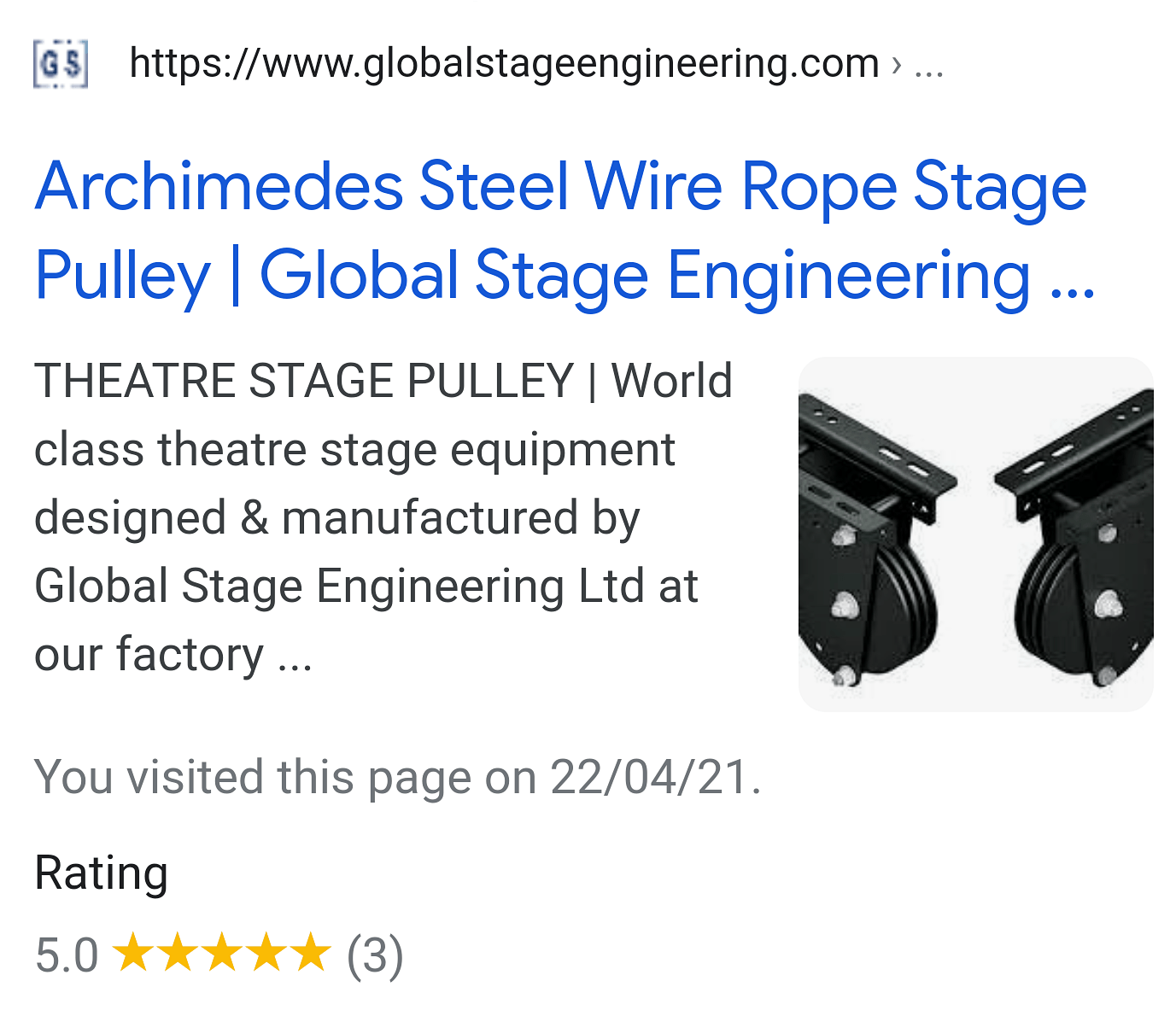
Using Schema Markup, a structured data coding vocabulary that helps search engines better understand the information on your website, you can enhance your search results appearance.
A rich result is a result which appears on search engines, that contains graphical elements, including review stars, thumbnail images, or some kind of visual enhancement.
This not only makes your result stand out, but adds authority to your brand.
Website and SEO Expert
- My aim is to make your business look professional and stand out on the internet.
- Discuss exactly what you want to achieve, then create a strategy of how to make this become a reality, within your budget.
- Create an online profile which includes your website, local directories, social media, images, videos and much more!
- Secure your website at the top of Google rankings.
- The ultimate aim is to empower you, the company owner, to secure and expand your business the way you want to.

I look forward to hearing from you!
Satisfied Customers


Contact
Contact Us

SEE THE POWER OF SEO

